Definition and Basics
Articles about definition and basics from the Skycloak team.

Authentication Methods Explained: What Keycloak Supports
Authentication methods prove who a user is with something they know, have or are. See the main types, and which…
 14 min read

What Is PKCE? Proof Key for Code Exchange Explained
PKCE protects the OAuth 2.0 authorization code flow from stolen codes. Follow one S256 exchange with real values, and learn…
12 min read
What Is a Rainbow Table Attack and How Salting Stops It
A rainbow table is a precomputed table of hash chains that reverses unsalted password hashes fast. Here is how it…
12 min read
What Is a Passkey? How Passkeys Replace Passwords
A passkey is a FIDO2/WebAuthn sign-in credential: your device keeps a private key unlocked by face, fingerprint or PIN, and…
12 min read
What Is Privileged Access Management (PAM)?
Privileged access management secures, limits and monitors admin, root and service accounts. Which PAM controls your IdP already covers and…
14 min readWhat Is an RSA Key and How Identity Providers Sign Tokens
An RSA key is a public and private key pair. Identity providers sign JWTs with RS256, publish the public key…
15 min readData Security Starts at Login: An Identity First Guide
Data security is protecting data from unauthorized access, loss or misuse. Credential abuse leads the breach data, so start at…
14 min read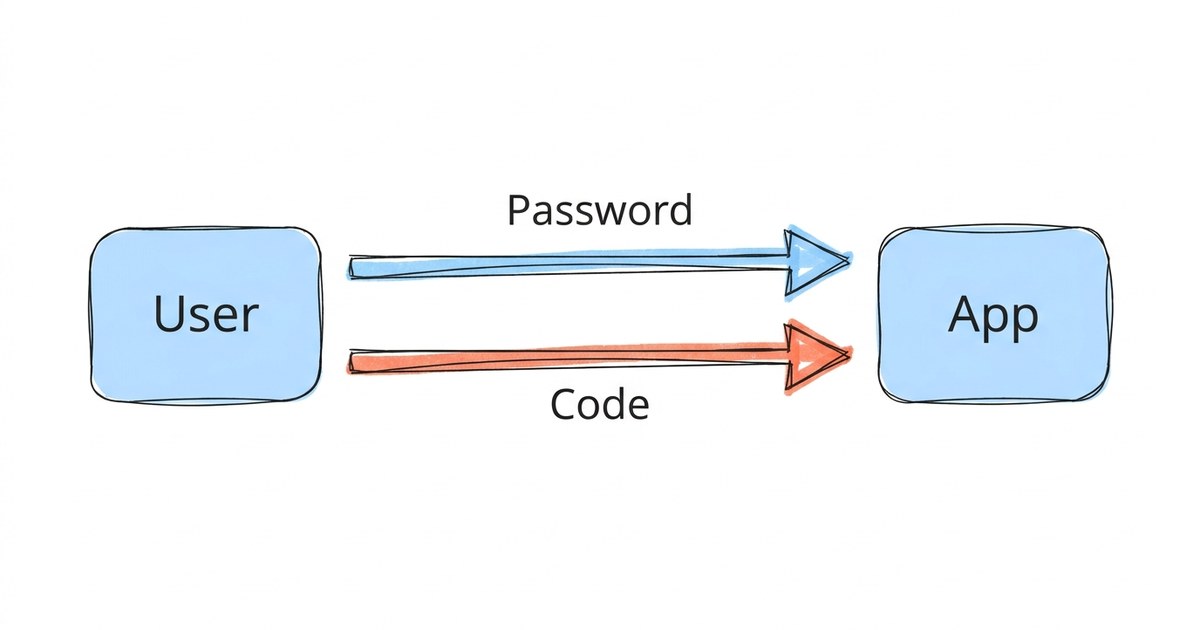
What Is Two-Factor Authentication (2FA)? Methods and Setup
Two-factor authentication (2FA) asks for two kinds of proof at login. Compare SMS, app codes, push and passkeys against real…
19 min readWhat Is authentik? Features, Limits and Keycloak Compared
authentik is an open-source identity provider for SSO, MFA and forward auth. Learn its concepts, what self-hosting it takes, free…
10 min readAuthentication vs Authorization: Why Valid Logins Get 403
Authentication proves who is calling, authorization decides what they may do. See a Keycloak token pass every check and still…
 18 min read
Stay ahead on identity & security
Get tutorials, product updates, and Keycloak tips delivered to your inbox.